Cell Therapy in Dogs and Cats: What Conditions Can It Support?

What Is Cell Therapy in Dogs and Cats? What Conditions Can It Help Support?
Cell therapy in dogs and cats is the use of cells that have been prepared and assessed in a laboratory as one possible option in veterinary regenerative medicine. Under veterinary evaluation, its goal is to help support the body’s natural recovery processes, balance inflammation, and support quality of life in certain conditions.
For owners who see their dogs and cats as family members, caring for them well does not only mean waiting until they become seriously ill. It also means planning for long-term health, so that more suitable options may be available when the body begins to age, decline, or face conditions that require recovery support.
One approach that is increasingly discussed is Cell Therapy, which may have a role in supporting pet health in selected cases. However, cell therapy is not a miracle cure, is not suitable for every disease, and should always be considered under the guidance of a veterinarian.
This article explains what cell therapy in dogs and cats is, how it may help support the body, what conditions are being studied, and where the cells used for pets may come from.
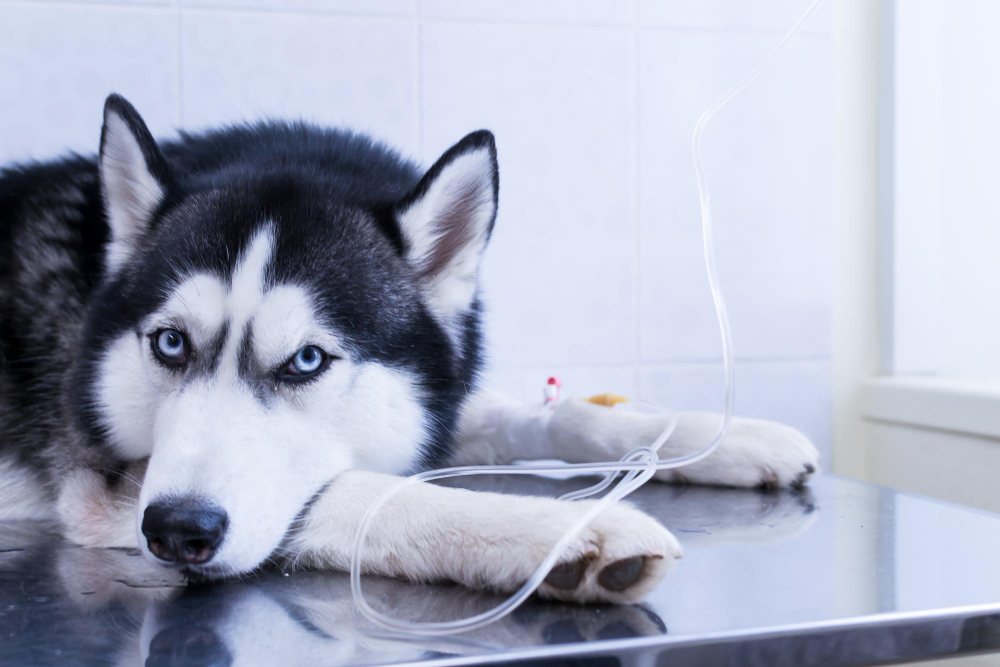
What Is Cell Therapy in Dogs and Cats?
Cell therapy in dogs and cats refers to the use of cells that have gone through laboratory preparation, isolation, culture, quality assessment, or appropriate processing as part of a veterinary care plan. It is considered one possible option in veterinary regenerative medicine and should be used only under veterinary evaluation and professional judgment.
In pets, one of the most commonly discussed cell types is Mesenchymal Stem Cells, or MSCs. MSCs have been studied in regenerative medicine because they can communicate with the surrounding cellular environment, help modulate inflammation, and support tissue repair processes in certain conditions.
In simple terms, cell therapy does not mean that the cells directly replace all damaged tissue. Instead, it uses the biological properties of cells to help support the body’s recovery environment in selected cases.
Therefore, cell therapy should be understood as an additional regenerative option, not as a replacement for medication, surgery, rehabilitation, nutrition, or the primary care plan recommended by a veterinarian.
Why Is Cell Therapy Being Discussed in Modern Pet Care?
The way people care for pets has changed significantly. Dogs and cats are no longer viewed simply as animals in the home. For many owners, they are family members who deserve thoughtful, long-term care.
As pets age, their bodies may begin to show signs of degeneration, such as slower movement, reduced jumping, joint discomfort, slower recovery, or chronic conditions that require ongoing care. This is why many owners are looking for options that go beyond waiting until a disease becomes severe before taking action.
Cell therapy is increasingly discussed because it aligns with long-term pet health planning, especially in conditions related to degeneration, chronic inflammation, tissue injury, or recovery support.
Still, it is important to understand that cell therapy is not appropriate for every case. Outcomes may vary depending on the disease, disease stage, overall health of the pet, cell quality, method of administration, and veterinary assessment.
How Can Cell Therapy Support a Pet’s Body?
Cell therapy is discussed in veterinary regenerative medicine because certain cells, especially MSCs, may support the body through several biological mechanisms.
This should be understood as supportive biological action, not a guarantee that cell therapy can treat every disease.
Helps Support the Body’s Natural Recovery Process
When the body experiences injury, degeneration, or inflammation, it naturally tries to repair itself. Cell therapy may help support these processes through biological signaling between cells.
A simple way to understand this is that cells do not work like spare parts that directly replace everything that has been damaged. They may act more like “signal supporters” that help create a tissue environment more favorable to recovery.
Helps Balance Inflammation
Inflammation is a natural protective response. However, when inflammation becomes chronic or imbalanced, it may continue to damage tissue and contribute to pain, discomfort, or slower recovery in pets.
MSCs have been studied for their immunomodulatory and inflammation-balancing properties, which may be relevant in certain conditions associated with chronic inflammation.
Helps Send Repair Signals to Surrounding Tissue
One of the important roles discussed in cell therapy is the ability of cells to release biological signals that communicate with surrounding cells and tissues.
This does not mean that the cells become new tissue in every case. Rather, they may help support a more suitable environment for the body’s own repair processes.
Helps Support Quality of Life in Certain Conditions
For pets with chronic disease, age-related degeneration, or conditions requiring ongoing care, the goal is not always to completely cure the disease. In many cases, the goal is to support comfort, recovery, mobility, and quality of life.
In this context, cell therapy may be considered as one additional option alongside a veterinarian’s primary care plan in selected cases.
What Conditions Can Cell Therapy in Dogs and Cats Help Support?
Cell therapy in pets has been studied across several groups of conditions, especially those related to inflammation, degeneration, tissue injury, and long-term recovery support.
The appropriate language is “has been studied,” “may have a role,” or “may be considered in selected cases,” rather than “can cure,” because the level of evidence varies by condition.
Osteoarthritis and Mobility Problems
In senior dogs and cats, owners may notice signs such as walking more slowly, difficulty getting up, reluctance to climb stairs, reduced jumping, or discomfort when moving. These signs may be related to osteoarthritis or degeneration of the joints and surrounding tissues.
Cell therapy may have a role in helping balance inflammation around the joints, supporting tissue recovery, and adding another option to the overall care plan when used together with primary care such as weight management, medication, rehabilitation, supplements, or other veterinary recommendations.
The goal is not to make the joint return to normal immediately. The goal is to help the pet move more comfortably, reduce discomfort, and support better quality of life over time.
Certain Muscle, Tendon, and Bone Conditions
Some pets may experience muscle, tendon, or bone-related problems, such as limping, not placing full weight on a limb, slow recovery after injury, or repeated mobility issues.
In this group, cell therapy may be considered to help support tissue recovery, balance inflammation, and assist the body’s repair process in selected cases.
However, outcomes depend on the type of injury, severity, overall health of the pet, and the veterinarian’s care plan. Cell therapy should therefore be viewed as a supportive option, not a replacement for the primary treatment plan.
Chronic Kidney Disease in Dogs and Cats
Chronic kidney disease is a condition that many owners worry about, especially in senior cats. It often requires long-term care and may affect water intake, body weight, energy level, appetite, and overall quality of life.
Cell therapy for kidney disease has been studied for its potential role in balancing inflammation and supporting the tissue environment in certain cases. However, it should not be understood as a primary treatment or a cure for kidney disease.
For chronic kidney disease, the main goal is to support the body, reduce kidney workload as much as possible, and help the pet maintain quality of life under veterinary care. Cell therapy may be one additional option that a veterinarian considers depending on the individual case.
Certain Skin Diseases or Chronic Inflammatory Conditions
Some skin conditions in dogs and cats may appear as repeated itching, redness, excessive licking, hair loss, inflammation, or chronic wounds. These may be related to allergies, infection, immune response, or abnormal skin recovery.
Cell therapy may have a role in helping balance inflammation and supporting skin recovery in selected conditions, especially when a veterinarian determines that chronic inflammation or tissue repair is involved.
However, skin disease has many possible causes. A clear diagnosis is always necessary. Cell therapy should not replace treatment of the underlying cause, such as allergy management, infection control, parasite treatment, or trigger management.
Chronic Gingivostomatitis in Cats
Some cats suffer from chronic oral inflammation, which can cause mouth pain, drooling, bad breath, difficulty eating, or reduced appetite. This can significantly affect a cat’s quality of life.
Cell therapy, especially MSC-based approaches, has been studied in the context of feline chronic gingivostomatitis because this condition involves inflammation and immune response.
In selected cases, cell therapy may be considered as a supportive option to help manage inflammation, reduce discomfort, and support better daily function alongside the primary treatment plan. It should always be evaluated and monitored closely by a veterinarian.
Certain Neurological Conditions
Neurological conditions may affect walking, balance, muscle strength, or movement patterns. These symptoms often worry owners because they directly affect a pet’s daily life.
Cell therapy has been studied in some contexts related to neurological recovery, with interest in its potential role in balancing inflammation, sending repair signals, and supporting the tissue environment after damage.
However, the nervous system is highly complex. Outcomes can vary greatly by case. The use of cell therapy in this group should be communicated carefully and must be based on diagnosis, veterinary evaluation, and close follow-up.

Is Cell Therapy Suitable for Every Pet?
Cell therapy is not suitable for every pet and is not appropriate for every disease.
Before considering cell therapy, a veterinarian must evaluate multiple factors, including:
· The disease or condition affecting the pet
· Disease stage or severity
· Age and overall health
· Underlying conditions
· Treatment history
· Contraindications or individual risks
· Cell quality and cell source
· Method of administration and follow-up plan
In some cases, cell therapy may be suitable as an additional option alongside the primary treatment plan. In other cases, it may not be appropriate, or there may not yet be enough evidence to support its use.
The key point is that owners should not make decisions based only on advertising claims or expectations. Veterinary evaluation is essential for determining whether cell therapy is appropriate for each pet.
Where Do the Cells Used for Pets Come From?
Once pet owners understand that cell therapy may have a role in certain conditions, the next important question is:
Where do the cells used in dogs or cats come from?
In general, cells used in pet cell therapy can be grouped into two main types based on their source: cells from another animal and cells from the pet’s own body.
1. Cells from Another Animal, or Allogeneic Stem Cells
Allogeneic Stem Cells are cells collected from a donor animal, not from the pet that will receive the cells.
One potential advantage of this type is that cells may be available for use in some systems because they have already been prepared in advance. However, important considerations include the source of the cells, donor screening, cell quality, biological compatibility, and the possibility that the recipient’s body may respond to cells that come from another animal.
Therefore, Allogeneic Stem Cells may have a role in some contexts, but they require careful selection, quality control, and veterinary evaluation.
2. Cells from the Pet’s Own Body, or Autologous Stem Cells
Autologous Stem Cells are cells collected from the body of the same pet, then processed through isolation, culture, quality assessment, storage, or preparation according to an appropriate care plan.
The key feature of Autologous Stem Cells is that the cells come from the same pet that may receive them. In principle, this provides biological compatibility with that pet’s body and may help reduce concerns about immune response compared with using cells from another animal.
In simple terms:
Allogeneic Stem Cells = cells from another animal
Autologous Stem Cells = cells from the pet’s own body
Both Allogeneic Stem Cells and Autologous Stem Cells have different considerations. For owners who want to plan long-term health care for their pets, storing a pet’s own stem cells in advance can be one meaningful option for future care.
This is because owners can clearly know that the cells come from their own pet’s body, have gone through systematic preparation and quality assessment, and are stored as a Biological Asset for cellular health. They may serve as one additional option for future care if a veterinarian determines that their use is appropriate.
PetGeneX and Autologous Stem Cells for Pets
PetGeneX places importance on Autologous Stem Cells, or a pet’s own stem cells, because we believe that cellular health planning should begin with an understanding of each individual pet’s body.
Each pet has a different age, health status, genetic background, medical history, treatment record, and long-term care needs. Having a pet’s own cells stored in advance may help create a more personalized health option for the future.
1. They Come from the Pet’s Own Body
One important advantage of Autologous Stem Cells is that the cell source is clear. The cells are collected directly from the pet’s own body, not from another animal.
This helps owners understand that the stored cells are a Biological Asset of their own pet, with information that can be traced from the starting point.
2. They Are Biologically Compatible in Principle
Because the cells come from the pet’s own body, Autologous Stem Cells are biologically compatible with that pet in principle.
This may help reduce concerns about cell compatibility compared with cells from another animal, where the recipient’s body may respond to non-self cells in some cases.
3. They May Help Reduce Concerns About Immune Response
Using a pet’s own cells may help reduce concerns about immune response that can occur when receiving cells from another animal.
However, actual use of cell therapy must still be evaluated by a veterinarian. Even when the cells come from the pet’s own body, cell quality, the pet’s current health, the disease condition, method of administration, and appropriateness at that time must all be considered.
4. They Align with Personalized Pet Health Care
PetGeneX believes that the future of pet care is not only about using the same approach for every animal. It is about understanding the differences between individual pets more deeply.
Autologous Stem Cells align with personalized care because the cells come from that specific pet and can be stored as a Biological Asset for future options, if a veterinarian determines that cell therapy is appropriate for the pet’s condition.
5. They Are Part of Long-Term Health Planning
Storing a pet’s own stem cells does not mean they must be used immediately. It means preparing a cellular health option in advance.
For owners who want to care for their pets both proactively and reactively, having Autologous Stem Cells stored may help expand future health planning options, especially when a pet enters senior age or develops a condition where a veterinarian considers cell therapy relevant.
Summary
Cell therapy in dogs and cats is one possible option in veterinary regenerative medicine. It uses cells to help support the body’s recovery process, balance inflammation, send repair signals to surrounding tissue, and support quality of life in certain conditions under veterinary evaluation.
Cell therapy has been studied in several groups of pet conditions, such as osteoarthritis, certain muscle, tendon, and bone problems, chronic kidney disease, certain skin or inflammatory conditions, chronic gingivostomatitis in cats, and selected neurological conditions. However, evidence and suitability vary by disease and by individual case.
Pet owners should understand that cell therapy is not a miracle cure, is not suitable for every disease, and should not replace the full primary care plan recommended by a veterinarian. It may be considered as one additional option in selected cases.
For PetGeneX, the approach we prioritize is Autologous Stem Cells, or a pet’s own stem cells. In principle, these cells are biologically compatible with that pet’s body, may help reduce concerns about immune response, and can be part of long-term cellular health planning.
FAQ
What is cell therapy in dogs and cats?
Cell therapy in dogs and cats is the use of cells that have been prepared and assessed in a laboratory as one possible option in veterinary regenerative medicine. Under veterinary evaluation, it may help support the body’s recovery process in selected conditions.
How can cell therapy support pets?
Cell therapy may help support the body’s natural recovery process, balance inflammation, send repair signals to surrounding tissue, and support quality of life in certain conditions. It is not a treatment that applies to every disease.
What conditions can cell therapy in dogs and cats help support?
Cell therapy has been studied in several groups of conditions, including osteoarthritis, certain muscle, tendon, and bone problems, chronic kidney disease, certain skin or inflammatory conditions, chronic gingivostomatitis in cats, and selected neurological conditions. Suitability depends on veterinary evaluation.
Can cell therapy cure disease in pets?
Cell therapy should not be understood as a cure for every disease. It is one possible option that may help support recovery or quality of life in certain conditions. Outcomes depend on the disease, disease stage, the pet’s health, cell quality, and the veterinarian’s care plan.
Is cell therapy suitable for every dog or cat?
No. Not every pet is suitable for cell therapy. A veterinarian must evaluate the disease, disease stage, age, overall health, medical history, contraindications, cell quality, and the intended method of administration before considering use.
Where do the cells used in pet cell therapy come from?
Cells used in pets may come from two main sources: cells from another animal, known as Allogeneic Stem Cells, and cells from the pet’s own body, known as Autologous Stem Cells. Each type has different considerations.
What are Allogeneic Stem Cells?
Allogeneic Stem Cells are cells collected from a donor animal, not from the pet receiving the cells. They may be available in some systems, but require careful consideration of cell source, donor quality, biological compatibility, and immune response.
What are Autologous Stem Cells?
Autologous Stem Cells are cells collected from the pet’s own body and then processed through isolation, culture, quality assessment, storage, or preparation according to an appropriate care plan.
Why does PetGeneX prioritize Autologous Stem Cells?
PetGeneX prioritizes Autologous Stem Cells because they come from the pet’s own body, are biologically compatible in principle, may help reduce concerns about immune response, and align with personalized long-term cellular health planning.
Does storing a pet’s own stem cells guarantee future treatment results?
No. Storing a pet’s own stem cells prepares a cellular health option for the future, but actual use depends on the pet’s health, disease condition, cell quality, scientific evidence, veterinary care plan, and relevant requirements at that time.