French Bulldog Breed-Specific Diseases & How Stem Cells Help
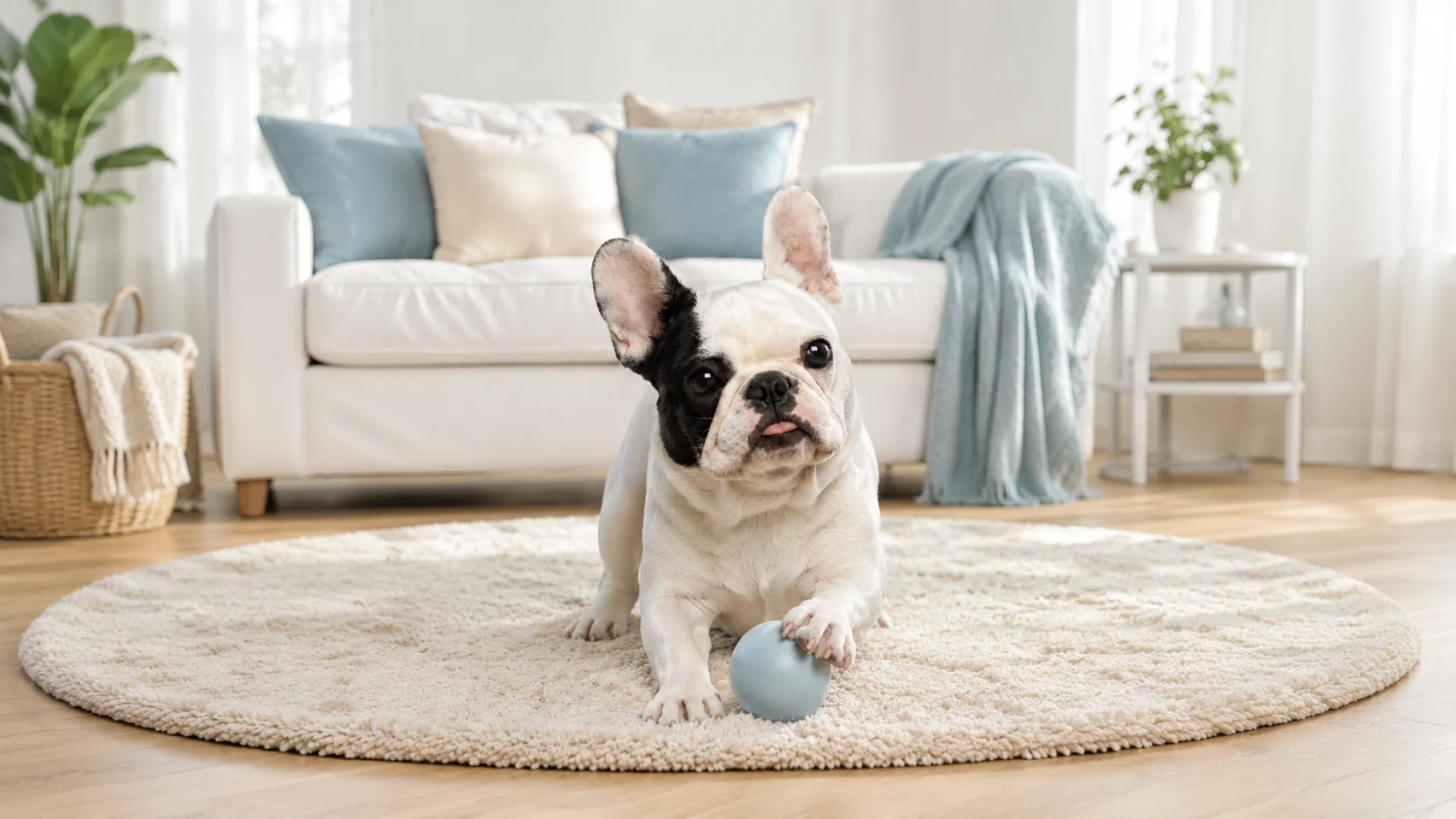
French Bulldog Health Issues: Common Diseases & Stem Cell Care
The French Bulldog is one of the most beloved dog breeds worldwide, famous for its distinct bat-like ears, compact body, playful demeanor, and affectionate nature. However, due to selective breeding for these unique physical traits, French Bulldogs are genetically predisposed to several breed-specific health conditions. Understanding these health challenges—alongside advancements in veterinary regenerative medicine, particularly Mesenchymal Stem Cell (MSC) therapy—offers dog owners innovative and proactive ways to manage, restore, and maintain their pet’s long-term vitality.

Why Are French Bulldogs Prone to Specific Health Issues?
The physical features that make French Bulldogs so adorable—such as their brachycephalic (flat-faced) skull, shortened spine, and dense body structure—are also the primary causes of their health vulnerabilities. These anatomical traits create physical stress on their respiratory tract, spinal column, and neurological system.
Furthermore, French Bulldogs possess genetic predispositions toward immune system hypersensitivity and skin allergies. Early observation, proactive wellness planning, and timely medical intervention are crucial to ensuring a high quality of life for this unique breed.
5 Common French Bulldog Diseases Every Owner Should Know
1. Intervertebral Disc Disease (IVDD)
Because French Bulldogs have short spinal columns paired with heavy muscular torsos, their intervertebral discs are under constant mechanical stress. This makes them highly susceptible to premature disc degeneration, herniation, or spinal cord compression (IVDD), causing severe pain, mobility loss, hind-limb weakness, or paralysis in severe cases.
2. Skin Diseases, Allergies, and Dermatitis
French Bulldogs face skin challenges driven by a combination of physical structure and genetics:
- Physical Trait: Deep skin folds around the face and body easily trap moisture, tears, and debris, creating an ideal environment for bacterial and fungal overgrowth, leading to Skin Fold Dermatitis.
- Genetic Trait: An overactive immune system makes them prone to Canine Atopic Dermatitis, causing chronic itching, redness, skin barrier breakdown, and recurrent secondary infections.
3. Ocular Issues and Corneal Conditions
With prominent, protruding eyes, French Bulldogs are vulnerable to environmental irritants and physical trauma. Common issues include Dry Eye Syndrome (Keratoconjunctivitis Sicca or KCS), corneal inflammation, and corneal ulcers, which can compromise vision if left untreated.
4. Certain Neurological Conditions
Beyond spinal cord injuries, French Bulldogs are predisposed to non-infectious inflammatory central nervous system (CNS) diseases. These inflammatory conditions can result in neck pain, loss of motor coordination, and, in some cases, inflammatory-induced seizures.
5. Brachycephalic Obstructive Airway Syndrome (BOAS)
BOAS is a combination of upper airway anatomical abnormalities common in flat-faced dogs, including narrowed nostrils (stenotic nares) and an elongated soft palate. This structural blockage makes breathing difficult, leads to easy fatigue, and leaves them dangerously susceptible to heatstroke.
How Stem Cell Therapy Helps Manage French Bulldog Health Conditions
Regenerative medicine using Mesenchymal Stem Cells (MSCs) and stem cell-derived bio-signals (Exosomes) serves as an effective therapeutic option for modulating inflammation and supporting tissue repair in dogs:
1. IVDD and the Role of Stem Cells
Stem cells act as a powerful regenerative therapy for spinal disc conditions through two primary applications:
- Post-Surgical Recovery: Autologous MSCs (derived from the dog's own tissue) administered intravenously help reduce spinal inflammation, stimulate neural repair, and improve motor recovery (standing, walking, and running) following spinal surgery.
- Disc Regeneration: Direct intradiscal injection of MSCs helps suppress localized inflammation, alleviate pain, and slow down the degenerative process within the intervertebral disc.
2. Skin Conditions and Atopic Dermatitis
MSCs possess potent immunomodulatory properties. When administered subcutaneously near affected skin lesions or systemically, MSCs help regulate overactive immune responses, reduce systemic inflammation, relieve intense itching, and accelerate skin tissue regeneration in dogs with Atopic Dermatitis.
3. Neurological Conditions and Certain Seizures
In cases of non-infectious inflammatory CNS diseases, MSC therapy has demonstrated strong safety profiles. MSCs work to suppress central nervous system inflammation, reduce neck pain, improve neurological deficits, and decrease both the frequency and severity of seizures caused by brain tissue inflammation.
4. Ocular Diseases, Corneal Ulcers, and Dry Eye
For ophthalmic conditions, veterinary specialists utilize Exosomes (cell-signaling vesicles secreted by stem cells). Exosomes possess strong anti-inflammatory properties, promote rapid corneal epithelium healing, reduce scarring, and stimulate healthy vascular and neural regeneration in dogs suffering from dry eye or corneal ulcers.
When Stem Cell Therapy Is Not the Primary Fix (And Their Role in Post-Op Recovery)
Medical science clearly distinguishes between structural/anatomical abnormalities and cellular degeneration or inflammation. While stem cells cannot reshape physical bone or cartilage tissue, they play a vital supportive role in post-operative recovery.
1. BOAS and Structural Airway Blockages
BOAS is a purely anatomical defect—excess tissue or narrowed cartilage physically obstructs airflow. Stem cells cannot dissolve extra tissue or reshape bone structures; therefore, surgical widening of the airways remains the indispensable primary treatment.
2. Stenotic Nares and Elongated Soft Palate
For surgical candidates undergoing airway correction, stem cell therapy and exosomes serve as valuable post-surgical recovery aids. Airway surgery in flat-faced dogs carries a risk of post-operative tissue swelling and inflammation. Stem cell therapy helps minimize edema, accelerate surgical wound healing, and allow the dog to recover comfortable breathing much faster.
3. Genetic or Idiopathic Epilepsy
Idiopathic epilepsy caused by genetic factors or abnormal electrical brain activity—without underlying structural tissue inflammation—does not currently have conclusive research supporting stem cell efficacy. Anticonvulsant medications remain the primary standard of care, whereas stem cell therapy is reserved for seizures caused by inflammatory CNS diseases.
Preventive Care: Why Bank Stem Cells While Your French Bulldog Is Healthy
Because French Bulldogs face a lifelong risk of inflammatory and degenerative conditions, Stem Cell Banking during youth or good health ensures that their cells are harvested at their peak biological potency.
No pet owner ever wants their beloved companion to fall ill. Deciding to store stem cells early does not mean expecting your dog to develop a severe disease in the future. In fact, the best-case scenario is that these banked cells are never needed for a major illness.
Furthermore, the role of stem cells extends far beyond emergency medical crises. Banked stem cells can be utilized for holistic wellness, healthy aging, and vitality support as your French Bulldog grows older—helping maintain joint mobility, overall energy, and cellular health. Storing stem cells while your dog is thriving offers the ultimate peace of mind, knowing you have secured the finest medical resource to protect their health and quality of life for years to come.
PetGeneX: Advanced Cellular Healthcare for French Bulldogs
At PetGeneX, we are dedicated to advancing veterinary regenerative medicine to elevate pet longevity and well-being. Operating under strict laboratory standards, our state-of-the-art stem cell isolation and banking processes ensure maximum cell purity, safety, and viability. We work hand-in-hand with your primary veterinarian to craft personalized cellular care plans—giving your French Bulldog the gift of a happier, healthier, and more active life.
Summary: French Bulldogs and the Role of Stem Cells
While French Bulldogs are predisposed to specific genetic and structural health challenges, advancements in Mesenchymal Stem Cells (MSCs) and Exosomes offer promising regenerative solutions. Although physical defects like BOAS require primary surgical intervention, stem cell therapy plays a major role in managing IVDD, Atopic Dermatitis, CNS inflammation, corneal damage, and post-surgical healing. Banking stem cells during your pet's healthiest years provides a proactive, safe, and powerful foundation for holistic wellness throughout their life.
FAQ: Frequently Asked Questions
What health risks are French Bulldogs prone to?
French Bulldogs are particularly prone to Intervertebral Disc Disease (IVDD), Canine Atopic Dermatitis, Skin Fold Dermatitis, Brachycephalic Obstructive Airway Syndrome (BOAS), eye conditions (Dry Eye, corneal ulcers), and inflammatory CNS disorders.
Can stem cell therapy help manage French Bulldog health issues?
Yes, stem cell therapy is highly effective for conditions rooted in inflammation, degeneration, or immune dysregulation—such as IVDD, allergic skin diseases, CNS inflammation, and ocular damage. However, physical structural issues like BOAS still require primary surgical correction.
How do stem cells help with IVDD in dogs?
MSCs help suppress local spinal inflammation, alleviate pain, stimulate nerve cell repair, and delay disc degeneration. When used alongside surgery, they accelerate motor function recovery and mobility.
Can stem cell therapy treat skin allergies in French Bulldogs?
Yes. Stem cells help regulate the overactive immune system responsible for Canine Atopic Dermatitis, reducing chronic skin inflammation, itching, and tissue breakdown.
Does stem cell therapy help with dog seizures?
Stem cells can help reduce seizure frequency and severity specifically in cases caused by non-infectious inflammatory CNS diseases. They are not a primary treatment for genetic or idiopathic epilepsy.
Can stem cells or exosomes help with eye conditions in dogs?
Yes. Exosomes (stem cell-derived secretomes) are widely used to treat severe Dry Eye Syndrome (KCS) and corneal ulcers by reducing ocular inflammation and promoting rapid corneal tissue regeneration.
Can stem cells cure BOAS in French Bulldogs?
No. BOAS is a structural anatomical issue that requires surgical adjustment (e.g., trimming the elongated soft palate or widening nostrils). However, stem cells can be used post-surgery to reduce swelling and speed up tissue healing.
Why should French Bulldog owners consider banking stem cells early?
Banking stem cells while a dog is young and healthy captures cells at their highest vitality and therapeutic potency. These cells can be used later in life for emergency disease recovery or general holistic vitality and anti-aging support.
Does stem cell banking guarantee a cure for future diseases?
Stem cell banking is not a 100% guarantee against all illness, but rather an advanced biological asset that provides veterinarians with an effective, personalized tool to enhance recovery and maintain your pet's quality of life.
References
Intervertebral Disc Disease (IVDD)
1. Bach, F. C., et al. (2014). Mesenchymal stem cell-based therapy for intervertebral disc degeneration in dogs and humans. PubMed Central (PMC).
2. VetStem Biopharma. VetStem Cell Therapy for Dog with IVDD. VetStem Clinical Case Studies.
Canine Atopic Dermatitis & Skin Disorders
3. Villatoro, A. J., et al. (2020). Allogeneic Mesenchymal Stem Cell Therapy in Canine Atopic Dermatitis. PubMed Central (PMC).
4. Sanford Biotech. Atopic Dermatitis in Dogs and Stem Cell Application. Sanford Biotech Veterinary.
Central Nervous System (CNS) Inflammation & Seizures
5. Chow, L., et al. (2015). Safety and immune modulating effects of allogeneic mesenchymal stem cell therapy in dogs with non-infectious inflammatory central nervous system disease. PubMed Central (PMC).