Feline Osteoarthritis: Can Stem Cells Help? | PetGeneX

When a cat begins to walk more slowly, jumps less often, or appears less willing to move, many owners may assume these changes are simply part of aging. In reality, these signs may be associated with feline osteoarthritis, a joint condition that can affect mobility, comfort, and long-term quality of life.
Feline osteoarthritis can be more difficult to notice than osteoarthritis in dogs because cats often hide pain and tend to show discomfort through gradual behavioral changes. A cat may jump less, avoid stairs, play less, groom less, or choose easier places to rest. These subtle changes are important signals that should not be overlooked.
This article explains what feline osteoarthritis is, which symptoms owners should observe, whether cat stem cells may help support osteoarthritis care, and how pet stem cell banking may be part of long-term health planning under veterinary evaluation.
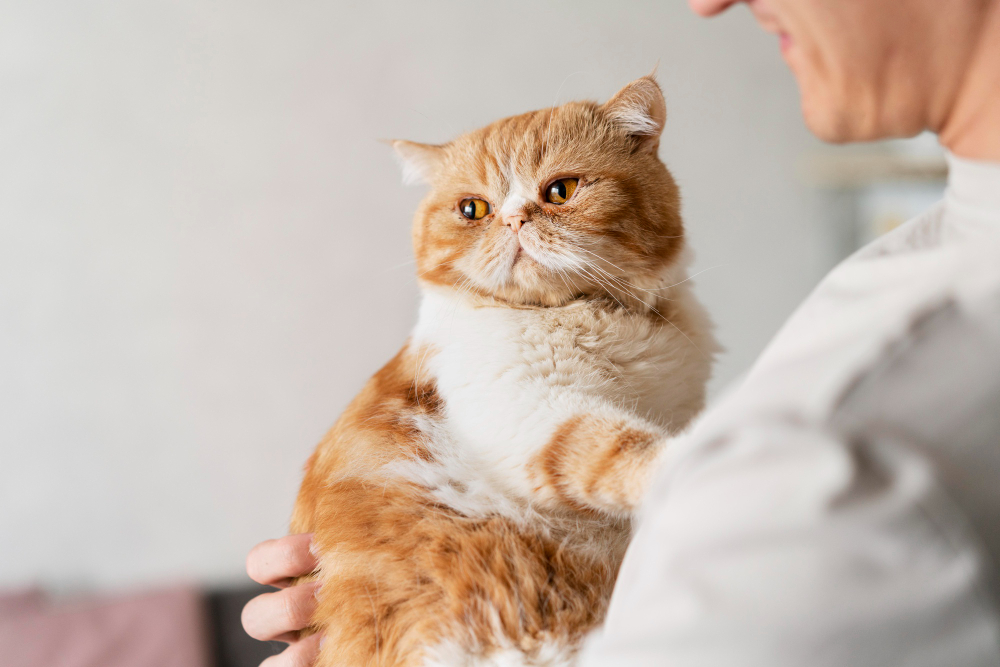
Feline Osteoarthritis: Can Stem Cells Help?
Cat stem cells may play a supportive role in managing feline osteoarthritis in selected cases, particularly by helping modulate inflammation, supporting the tissue environment, and helping maintain quality of life. However, stem cells are not a cure for osteoarthritis and should not replace standard veterinary care. The use of pet stem cells should always be considered under veterinary evaluation.
What Is Feline Osteoarthritis?
Feline osteoarthritis is a gradually progressive joint condition. Within the affected joint, changes may occur in the cartilage, joint lining, synovial fluid, and surrounding tissues. These changes can contribute to chronic inflammation, discomfort, and reduced mobility.
The condition is commonly seen in senior cats, but it is not limited to older cats. Cats with excess body weight, previous joint injury, abnormal joint structure, or long-term joint stress may also have an increased risk of developing osteoarthritis.
Feline osteoarthritis is important because it affects more than the joint itself. It can influence daily behavior, movement, grooming, interaction with the owner, and overall quality of life. A cat may avoid playing, stop jumping onto a sofa or bed, or no longer use areas of the home that require climbing or jumping.
What Are the Symptoms of Feline Osteoarthritis?
Symptoms of feline osteoarthritis may not be obvious. Many cats do not cry out in pain or show clear limping. Instead, they gradually change their daily behavior. Owners should observe changes in movement, activity, and routine.
Possible signs of cat arthritis or feline osteoarthritis include:
· Walking more slowly or moving more carefully
· Difficulty walking in senior cats, slower rising, or taking longer to change position
· Jumping less or avoiding jumps onto tables, beds, sofas, or cat towers
· Using stairs less often or avoiding familiar routes
· Playing less, running less, or showing less interest in toys
· Sleeping more and moving less
· Disliking being touched around the legs, hips, back, or specific areas of the body
· Changes in mood, irritability, hiding, or avoiding contact
· Reduced grooming, which may lead to matted or unkempt fur
· Difficulty entering the litter box, or eliminating outside the box in some cases when the box has a high edge
In some cases, the only noticeable change may be that the cat no longer rests in a high place or no longer approaches the owner as often as before. These may seem like small behavioral changes, but if they persist, they may indicate discomfort related to joint degeneration.
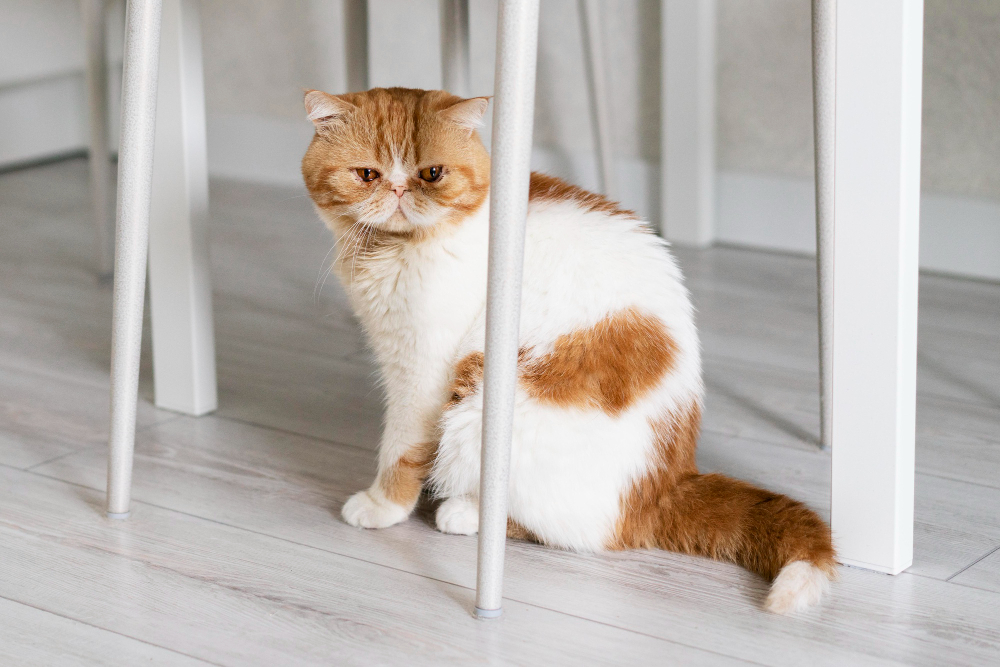
Why Is Osteoarthritis in Cats Difficult to Notice?
Cats naturally tend to hide pain. When they feel discomfort, many cats do not immediately show it by crying or walking abnormally. Instead, they adjust their behavior to avoid movements that cause pain, such as jumping, climbing, running, or reaching elevated areas.
Another reason feline osteoarthritis is often missed is that it usually develops gradually. Owners may become accustomed to small changes over time and may assume that the cat is simply aging or becoming less active. In reality, the cat may be experiencing discomfort from joint disease.
For this reason, observing feline osteoarthritis should not begin only when a cat cries out or limps clearly. Owners can start with simple questions: Can the cat still jump as before? Can the cat use the litter box comfortably? Does the cat still play and explore the home normally? If these behaviors begin to change, a veterinary assessment should be considered.
If a Cat Walks Slowly or Cannot Jump, Could It Be Osteoarthritis?
A cat walking slowly, no longer jumping to higher places, or avoiding stairs may be showing signs associated with feline osteoarthritis, especially if these changes occur together with difficulty rising, sensitivity when touched around the legs, hips, or back, and reduced movement compared with normal behavior.
However, these signs are not caused by osteoarthritis alone. They may also be related to muscle weakness, injury, neurological problems, kidney disease, pain from other causes, or other underlying health conditions. Owners should not assume that the cat has osteoarthritis without a veterinary diagnosis.
Diagnosis may involve history taking, behavioral assessment, physical examination, mobility evaluation, radiographs, or additional tests as recommended by the veterinarian. Accurate diagnosis helps ensure that the care plan addresses the real cause and reduces the risk of inappropriate treatment.
Can Cat Stem Cells Help Feline Osteoarthritis?
One of the most common questions from owners is whether cat stem cells can help feline osteoarthritis. The answer is that stem cells may have a supportive role in selected cases of feline osteoarthritis, particularly by helping modulate inflammation, supporting the tissue environment, and helping maintain quality of life in cats with joint problems.
The type of stem cell commonly discussed in veterinary regenerative medicine is the mesenchymal stem cell, or MSC. MSCs communicate with surrounding cells through various biological signals. Their role is not to make a degenerated joint completely return to normal, but rather to help create a tissue environment that may be more suitable for recovery and inflammation regulation in some cases.
It is important to communicate this carefully: stem cells are not a cure for osteoarthritis, are not suitable for every cat, and cannot guarantee results. The use of cat stem cells must be considered based on overall health, disease stage, severity of joint degeneration, underlying conditions, and the veterinarian's clinical judgment.
How May Stem Cells Support Feline Osteoarthritis Care?
To understand the role of stem cells in feline osteoarthritis, it is helpful to view them as one tool within regenerative veterinary medicine, not as a pain reliever that works in a direct and immediate way. The key mechanisms of MSCs involve cell signaling, modulation of inflammation, and support of the tissue environment.
1. Helping Modulate Inflammation
Osteoarthritis involves chronic inflammation within the joint. When inflammation continues, a cat may feel discomfort, move less, and avoid certain activities. Stem cells may help modulate inflammation in selected cases, potentially supporting a joint environment that is more suitable for recovery.
2. Sending Signals That Support Tissue Repair
MSCs can release biological molecules involved in cell-to-cell communication. These signals may help support the function of cells in the tissues around the joint and may assist the body's natural repair processes in a more favorable tissue environment.
3. Supporting Mobility and Quality of Life
In some cats, if discomfort related to inflammation is reduced, mobility may improve. A cat may move more comfortably, explore the home more, use low surfaces more easily, or interact with the owner more often. Outcomes vary depending on each cat's condition and the overall care plan.
The goal of stem cell use in osteoarthritis is not to completely reverse joint degeneration. Rather, it is to help support the body, improve the tissue environment, reduce the impact of inflammation in some cases, and help maintain long-term quality of life.
Can Cat Stem Cells Replace Standard Treatment?
Cat stem cells should not replace standard treatment for osteoarthritis. Managing feline osteoarthritis should be a comprehensive plan because the condition involves multiple factors, including body weight, environment, movement habits, pain, and other health conditions.
A care plan for feline osteoarthritis may include:
· Maintaining an appropriate body weight to reduce stress on the joints
· Adjusting the home environment, such as adding ramps, low steps, or low resting areas
· Reducing jumping and impact by making food, water, litter boxes, and resting areas easier to access
· Using medication when the veterinarian considers it appropriate, especially when pain or inflammation is evident
· Using nutrition or targeted supplements under veterinary guidance
· Monitoring mobility, weight, behavior, and quality of life over time
· Considering cat stem cells when the veterinarian determines that the case is appropriate
Viewing stem cells as part of the overall care plan helps owners understand their role more accurately and reduces unrealistic expectations about treatment outcomes.
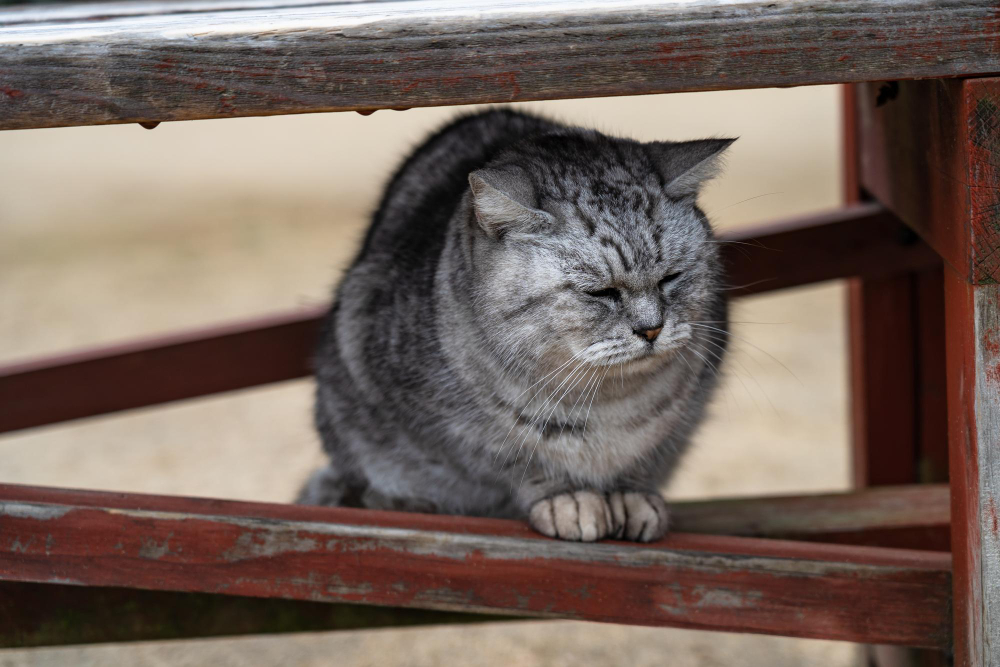
Is It Too Late to Bank Stem Cells for an Older Cat?
Senior cats may still be assessed for stem cell banking, but whether it is appropriate should be considered on a case-by-case basis. Cell quality may be associated with age, overall health, chronic disease, inflammation, and the body's condition at the time of sample collection.
In general, banking pet stem cells while a cat is still healthy may help prepare cellular resources for the future. Cells are part of the body and may change with age or health status. However, if a cat is already older, owners should still consult a veterinarian or a qualified team to assess suitability before making a decision.
Stem cell banking does not mean that the cat will definitely need to use the cells. It is a way to prepare an additional health option for the future, if a veterinarian later determines that stem cells may be appropriate to support recovery or quality of life.
With PetGeneX, pet stem cells can be collected from blood, which may help reduce concerns about surgery or anesthesia in some cases. Sample collection and any future use of the cells should always remain under veterinary evaluation.
When Should You Take Your Cat to a Veterinarian?
Owners should take a cat to a veterinarian when movement or daily routines begin to change, especially if the signs continue or gradually worsen.
Signs that should prompt a veterinary visit include:
· Walking more slowly, walking abnormally, or moving more carefully
· No longer jumping to higher places or avoiding favorite areas
· Difficulty rising, sitting, or changing position
· Avoiding stairs or no longer using a cat tower as before
· Unusual weight gain or weight loss
· Refusing to be touched in certain areas, such as the legs, hips, or back
· Behavioral changes such as hiding, irritability, lethargy, or playing less
· Reduced grooming, less licking, or more matted fur
· Difficulty entering the litter box or eliminating outside the box without an obvious reason
Early detection of feline osteoarthritis can help veterinarians design a more appropriate care plan, reduce the impact on quality of life, and allow owners to adjust the environment and daily care before symptoms become more severe.
PetGeneX and Long-Term Planning for Feline Osteoarthritis Care
Feline osteoarthritis should not be viewed only as a condition to treat after symptoms appear. It should be considered part of long-term health planning because it is a chronic condition that may affect a cat's quality of life for many years.
PetGeneX focuses on the concept of Pet Longevity, or long-term health planning for companion animals. In this context, pet stem cells may be viewed as a biological asset that can be prepared as a future option if a veterinarian determines that stem cells are appropriate for the pet's condition.
For feline osteoarthritis, cat stem cell banking does not mean that the cat must use the cells immediately, nor does it guarantee future results. It is a way to prepare cellular-level health options, giving owners more possibilities when long-term care decisions are needed.
PetGeneX does not replace veterinary diagnosis or treatment. Instead, PetGeneX helps owners understand pet health planning through accurate, systematic, and responsible information, so decisions about stem cells can be made carefully and appropriately for each pet.
Summary
Feline osteoarthritis is often noticed through behavioral changes such as walking slowly, no longer jumping, moving less, playing less, or refusing to be touched in certain areas. These signs may seem like normal aging, but in some cases they may indicate discomfort from joint degeneration.
Cat stem cells may play a role in supporting recovery, modulating inflammation in selected cases, and helping maintain quality of life in cats with osteoarthritis. However, stem cells are not a cure, cannot guarantee results, and should not replace standard veterinary care.
Early veterinary assessment, a comprehensive care plan, and long-term health planning are central to managing feline osteoarthritis appropriately. For owners interested in cat stem cells or pet stem cell banking, the best first step is to assess the cat's health and receive information from qualified professionals before making a decision.
FAQ: Frequently Asked Questions
What is feline osteoarthritis?
Feline osteoarthritis is a degenerative joint condition that may cause inflammation, pain, and reduced mobility. It is commonly seen in senior cats, but it may also occur in cats with risk factors such as excess weight, previous injury, or joint problems.
What are the symptoms of osteoarthritis in cats?
Possible signs include walking more slowly, jumping less, avoiding stairs, difficulty rising or sitting, playing less, disliking being touched around the legs, hips, or back, and behavioral changes such as hiding, irritability, or reduced grooming.
Why is feline osteoarthritis difficult to notice?
Cats often hide pain, and the signs of osteoarthritis usually develop gradually. Owners may assume the changes are normal aging, even though the cat may be experiencing discomfort from joint disease.
If my cat walks slowly or cannot jump, could it be osteoarthritis?
It may be related to osteoarthritis, but owners should not assume this without a veterinary diagnosis. Similar signs can also be caused by injury, neurological problems, kidney disease, or other conditions.
Can stem cells help feline osteoarthritis?
Stem cells may help support recovery, modulate inflammation in selected cases, and maintain quality of life in cats with osteoarthritis. However, they must be used under veterinary evaluation and should not be viewed as a cure.
Can cat stem cells replace standard treatment?
No. Stem cells should be considered part of a comprehensive care plan that may also include weight control, medication when needed, environmental adjustments, and ongoing monitoring.
Is it too late to bank stem cells for an older cat?
Senior cats may still be assessed for stem cell banking, but cell quality may be related to age, health, and underlying conditions. Suitability should be evaluated on a case-by-case basis by a veterinarian.
When should I take my cat to a veterinarian?
A cat should be taken to a veterinarian if it begins walking more slowly, stops jumping, has difficulty rising or sitting, refuses to be touched in certain areas, or shows clear behavioral changes, especially if the signs persist or worsen.