Why Is Stem Cell Therapy Important for Pets?
Last updated: 18 Jul 2025
1725 Views

Why Is Stem Cell Therapy Important for Pets?
A New Era of Regenerative Veterinary Medicine
Dogs and cats often suffer from chronic diseases similar to those in humans. These conditions significantly reduce their quality of life and include:
A New Era of Regenerative Veterinary Medicine
Dogs and cats often suffer from chronic diseases similar to those in humans. These conditions significantly reduce their quality of life and include:
- Osteoarthritis
- Spinal cord and neurological disorders
- Chronic skin inflammation
- Chronic kidney disease

In many of these cases, traditional treatment methods such as medication or surgery provide limited resultsor may not be suitable at all. This is where stem cell therapy for pets offers a groundbreaking solution.
Real Applications of Pet Stem Cell Therapy
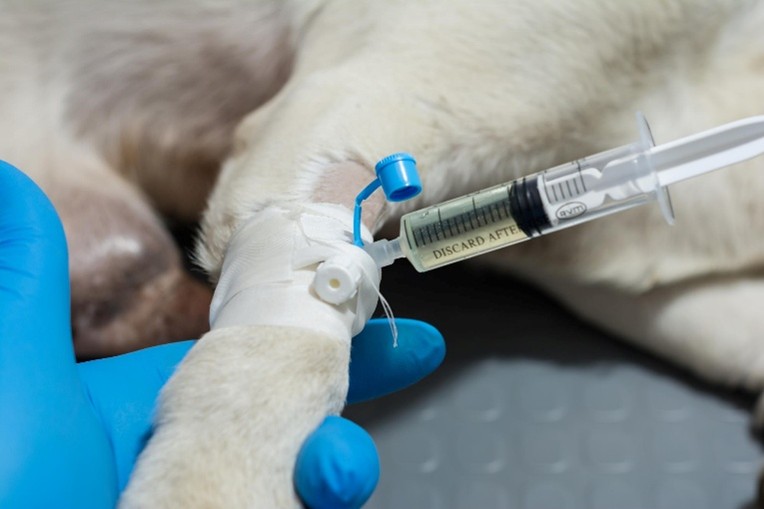
- Intra-articular injections (into joints):
Relieves joint pain, improves mobility, and enhances flexibility
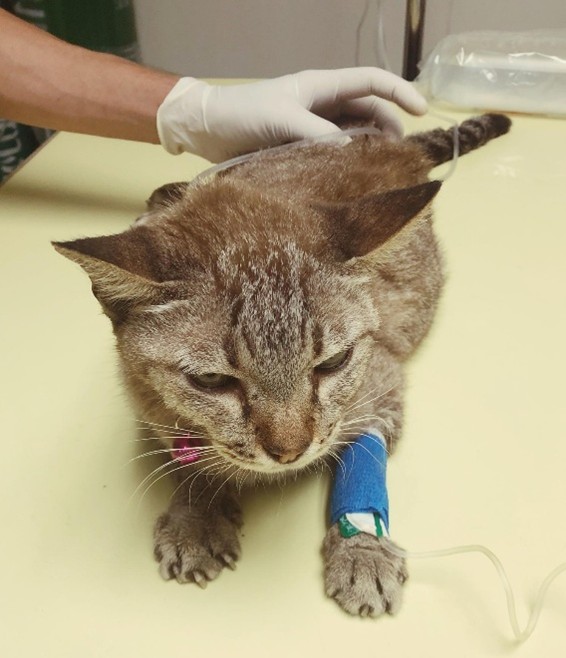
- Intravenous administration (into the bloodstream):
Helps regenerate internal organs such as the liver, kidneys, and nervous system
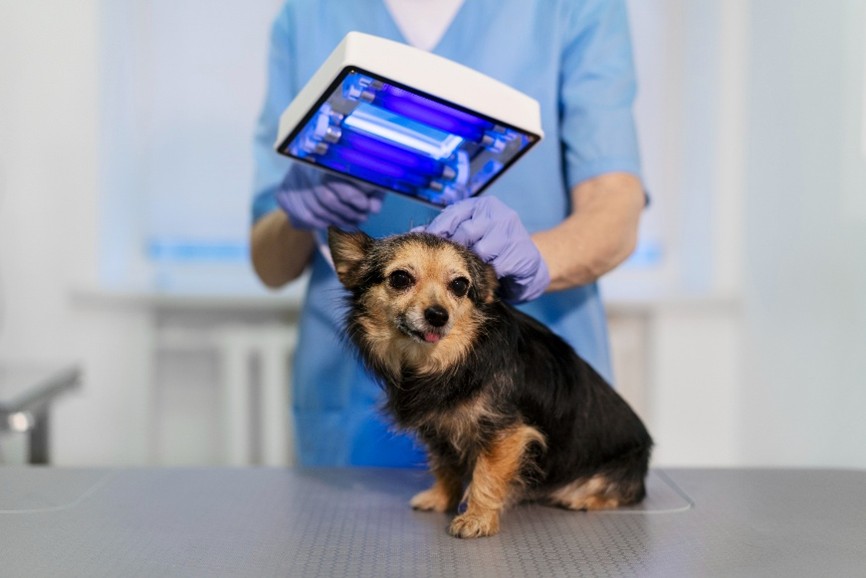
- Integration with regenerative medicine techniques:
Including laser therapy, ultrasound, and physiotherapy to accelerate natural healing
Veterinary Research Supports the Benefits
Numerous veterinary studies confirm that Mesenchymal Stem Cells (MSCs) from animals significantly reduce inflammation and stimulate tissue regeneration. This is especially effective in cases of:
- Osteoarthritis
- Ligament injuries
- Muscle and bone degeneration
Related Content

Understand cell therapy in dogs and cats, a regenerative medicine option that may help support recovery under veterinary evaluation.

On Sunday, September 21, 2025, PetGeneX, in collaboration with the National Innovation Agency (NIA) and KTC Credit Card, hosted a special seminar titled “Future Health, Forever Love.”
The event aimed to open a space for sharing knowledge on innovative veterinary medicine and the future of pet healthcare.