What Is Stem Cell Therapy for Pets? | PetGeneX
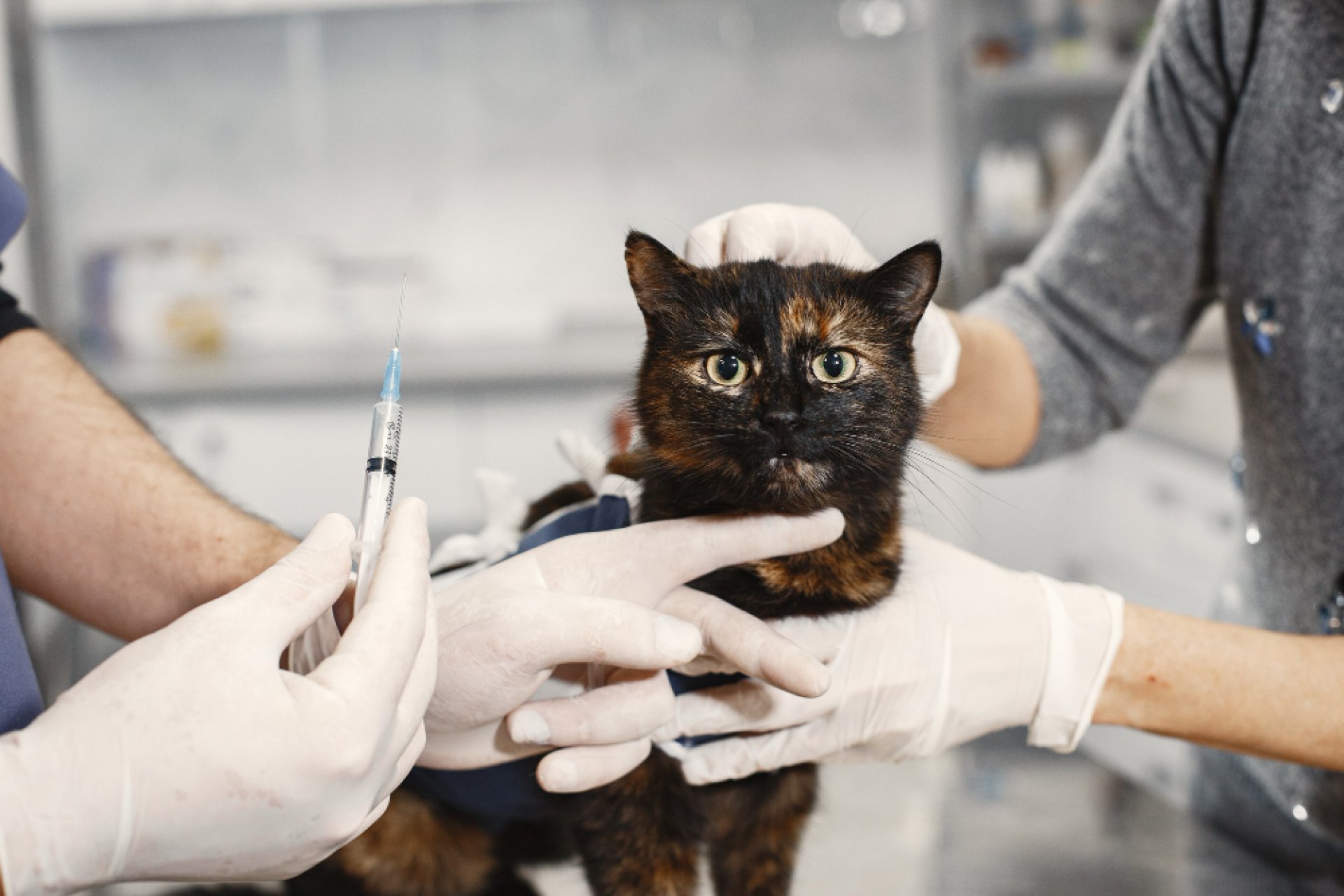
What Is Stem Cell Therapy for Pets? A Regenerative Veterinary Care Option for Dogs and Cats
Stem Cell Therapy for pets is a regenerative veterinary approach that uses stem cells to help support tissue repair, reduce inflammation, and improve the healing environment within the body. It is increasingly discussed in veterinary medicine, especially for dogs and cats with chronic conditions such as osteoarthritis, mobility issues, soft tissue injuries, or inflammation-related disorders.
For many pet parents, caring for a dog or cat is no longer only about treating illness when it happens. It is also about planning ahead, preserving quality of life, and supporting long-term health as pets age. This is where Pet Stem Cell Therapy becomes an important part of the conversation around veterinary longevity and future-focused pet care.
However, stem cell therapy is not a miracle cure, and it does not guarantee results in every case. The decision to use stem cells should always be made under the evaluation and guidance of a licensed veterinarian, based on the pet’s health condition, age, medical history, disease stage, and overall care plan.
What Is Stem Cell Therapy in Pets?
Stem Cell Therapy is the use of stem cells to help support the body’s natural repair and recovery processes. Stem cells are special cells with the ability to divide and, in some contexts, develop into specific types of cells in the body.
In dogs and cats, one of the most commonly discussed types of stem cells in veterinary regenerative medicine is Mesenchymal Stem Cells, or MSCs. These cells are associated with tissue repair and have been studied for their potential roles in supporting the health of joints, cartilage, muscles, tendons, ligaments, and connective tissues.
In simple terms, Stem Cell Therapy does not work like a painkiller that only suppresses symptoms temporarily. Instead, stem cells may help communicate with surrounding cells, regulate inflammation, and support a healthier biological environment for tissue recovery.
How Does Stem Cell Therapy Work in the Body?
The role of stem cells is not limited to becoming new cells. In veterinary regenerative medicine, stem cells are also valued for their ability to release biological signals that may help regulate inflammation, support tissue repair, and influence the healing process.
In general, Stem Cell Therapy for pets may work through several key mechanisms:
1. Responding to Areas of Injury or Inflammation
When tissue is damaged, inflamed, or under stress, the body releases biological signals that indicate where support is needed. Stem cells may respond to these signals and interact with the affected environment.
2. Supporting the Reduction of Inflammation
Chronic inflammation is one of the major factors that can worsen tissue damage over time. In conditions such as osteoarthritis in dogs or age-related mobility issues in cats, stem cells may help support the regulation of inflammatory responses.
3. Releasing Regenerative Signals
Stem cells can release bioactive molecules that support cell communication and may help encourage tissue repair processes. This signaling effect is one of the reasons MSCs are widely studied in regenerative veterinary medicine.
4. Helping Improve the Tissue Environment
By supporting inflammation control and cellular communication, stem cells may help create a more favorable environment for tissue recovery.
5. Supporting Long-Term Quality of Life
For senior pets or pets with chronic conditions, the goal of Stem Cell Therapy may not be to cure the disease completely. Instead, it may help support mobility, comfort, and quality of life as part of a broader veterinary care plan.
Can Stem Cell Therapy Help Dogs and Cats with Osteoarthritis?
Osteoarthritis in dogs and cats is one of the most common conditions associated with dog stem cell therapy and cat stem cell therapy. Osteoarthritis involves inflammation, joint pain, cartilage degeneration, stiffness, and reduced mobility.
In some pets with osteoarthritis, stem cell therapy may help support the reduction of inflammation inside the joint, improve the joint environment, and assist tissue repair processes. As a result, some pets may show improved comfort, better mobility, or increased willingness to perform daily activities.
For example, pet parents may notice that their dog:
- Gets up more easily after resting
- Walks with less stiffness
- Shows more interest in daily walks
- Hesitates less when using stairs
- Becomes more active or playful
- Appears more comfortable during movement
Stem Cell Therapy may be considered as part of a comprehensive osteoarthritis care plan, together with weight management, physical rehabilitation, anti-inflammatory medication, joint supplements, environmental modification, and regular veterinary monitoring.
The response to treatment can vary between individual pets. Factors such as age, disease stage, overall health, cell quality, and supportive care may all influence the outcome.
Other Conditions Pet Parents Often Ask About
Beyond osteoarthritis, many pet parents ask whether stem cells may be useful for other health concerns in dogs and cats. While the suitability depends on veterinary assessment, Stem Cell Therapy is often discussed in relation to several areas of regenerative care.
Soft Tissue Injuries
Pets with muscle, tendon, or ligament injuries may benefit from a structured recovery plan. Stem cells may be considered to help support tissue repair alongside rest, rehabilitation, and veterinary treatment.
Chronic Inflammation
Some chronic conditions involve ongoing inflammation within the body. In these cases, cell therapy for pets may be studied or considered as part of a broader approach to supporting immune balance and tissue health.
Senior Pet Wellness
For aging dogs and cats, the focus is often not only on lifespan, but also on quality of life. Stem Cell Therapy may be part of a veterinary longevity approach that aims to support mobility, comfort, and daily function in senior pets.
Methods of Stem Cell Therapy for Pets
The method of Stem Cell Therapy may vary depending on the pet’s condition, the target area, the veterinarian’s recommendation, and the overall treatment plan.
Common approaches may include:
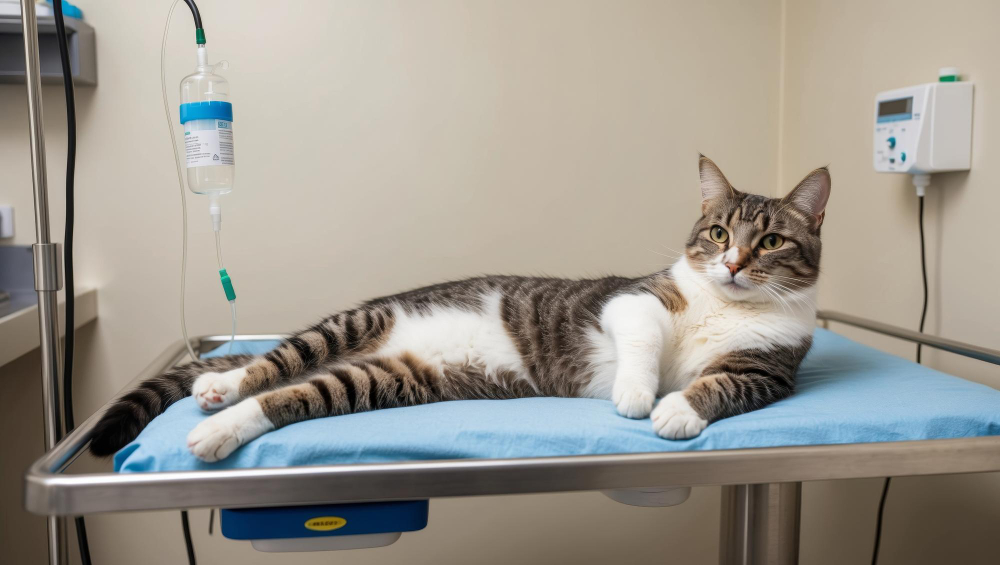
1. Intravenous Administration
Intravenous administration allows stem cells to enter the bloodstream. This method may be considered when the veterinarian wants the cells or related biological signals to circulate through the body and respond to areas of inflammation or tissue stress.
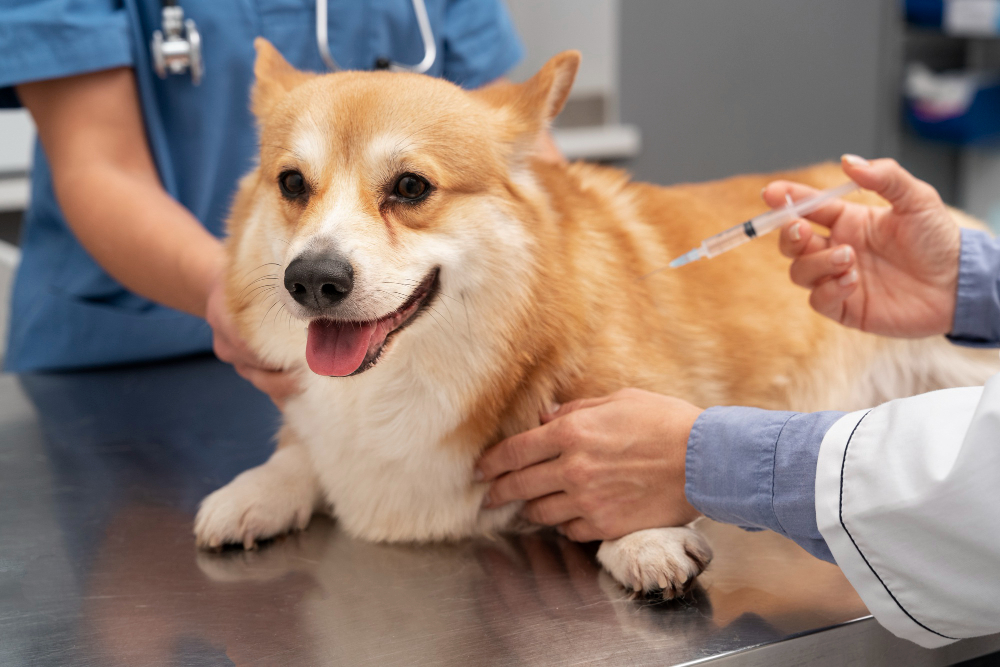
2. Local Injection
In some cases, such as joint, tendon, or muscle problems, a veterinarian may consider local administration near or into the affected area. This may help deliver stem cells more directly to the area that requires regenerative support.
3. Ophthalmic or Eye-Related Applications
In selected eye-related conditions, veterinarians may consider products associated with stem cells or stem-cell-derived biological factors in ophthalmic formats, such as eye drops. This depends entirely on the condition, product type, medical indication, and the veterinarian’s professional judgment.
4. Combination with Rehabilitation Programs
Stem Cell Therapy is often not used as a stand-alone solution. It may be integrated with physical therapy, weight control, medication, supplements, nutrition, and lifestyle adjustments to create a more complete recovery plan.
5. Repeated Use Based on Veterinary Evaluation
Some pets may require only one treatment session, while others may need follow-up evaluation and repeated use depending on their condition and response. This should always be determined by a veterinarian.
Stem Cell Therapy vs. Stem Cell Banking: What Is the Difference?
Many pet parents may confuse Stem Cell Therapy with stem cell banking, but they are different stages of pet health planning.
Stem cell banking is the process of collecting, processing, and storing a pet’s own stem cells during an appropriate time, ideally when the pet is still healthy. The goal is to preserve the cells for possible future use.
Stem Cell Therapy is the actual use of stem cells as part of a veterinary treatment or regenerative care plan when a veterinarian determines that it may be appropriate.
In simple terms, stem cell banking is about preparation. Stem Cell Therapy is about application.
This is why early planning can be important. The quality and potential of cells may be influenced by age, health status, and disease condition at the time of collection.
Why Does Cell Quality Matter?
The success of Stem Cell Therapy does not depend only on having stem cells. It also depends on the quality of the cells.
High-quality cells should be collected, processed, cultured, tested, and stored under proper standards. If cells are weak, contaminated, or have poor functional potential, their readiness for future use may be affected.
For PetGeneX, stem cell banking is not simply about storing cells in a laboratory. It involves a complete process, from sample collection and cell culture to quality control and long-term cryopreservation, with the goal of preparing the cells for potential future use under veterinary supervision.
This quality-focused approach is part of PetGeneX’s mission to become a trusted scientific knowledge platform for pet longevity in Thailand and Southeast Asia.
Which Pets May Be Suitable for Stem Cell Therapy?
Stem Cell Therapy may be considered for some dogs and cats, especially those with:
- Osteoarthritis or joint degeneration
- Mobility problems
- Soft tissue injuries
- Chronic inflammation-related conditions
- Age-related decline in movement or comfort
- A need for regenerative support alongside rehabilitation
- Pet parents who want to plan long-term health care in advance
However, not every pet is suitable for stem cell therapy. A veterinarian should evaluate the pet’s medical history, blood test results, infection status, underlying diseases, current medications, and overall treatment goals before making a recommendation.
Safety Considerations and Limitations
Although Stem Cell Therapy has potential in veterinary regenerative medicine, pet parents should understand its limitations clearly.
1. It Is Not Suitable for Every Disease
Stem cells should not be presented as a universal treatment. Every case requires veterinary evaluation and medical judgment.
2. Results May Vary
Age, disease stage, severity of symptoms, overall health, and cell quality can all influence how each pet responds.
3. It Should Be Part of a Broader Care Plan
In many cases, Stem Cell Therapy should be considered as supportive care or part of a comprehensive rehabilitation plan, not a replacement for all standard treatments.
4. Cell Source and Laboratory Standards Matter
Pet parents should ask where the cells come from, how they are processed, how quality is tested, and whether the laboratory has a reliable tracking system to reduce the risk of sample mix-up or contamination.
5. Veterinary Supervision Is Essential
Stem Cell Therapy should only be used under the supervision of licensed veterinary professionals who can assess risks, benefits, and suitability for each individual pet.
Conclusion
Stem Cell Therapy for pets is a regenerative veterinary care option that focuses on supporting tissue repair, reducing inflammation, and improving quality of life in dogs and cats. It is especially relevant for pets with osteoarthritis, mobility issues, soft tissue injuries, chronic inflammation, or age-related decline.
For pet parents, understanding stem cells is not only about treatment. It is also about long-term health planning. Rather than waiting until a pet becomes seriously ill, stem cell banking and Stem Cell Therapy open a conversation about how to prepare for future health needs at a cellular level.
At PetGeneX, we believe the future of pet care goes beyond treating disease after it appears. It is about proactive planning, scientific quality, veterinary collaboration, and supporting pets through every stage of life.
Frequently Asked Questions About Stem Cell Therapy for Pets
Can Stem Cell Therapy cure osteoarthritis in dogs?
Stem Cell Therapy should not be presented as a cure for osteoarthritis. However, it may be considered by veterinarians as part of a care plan to help support inflammation control, tissue repair, mobility, and quality of life in dogs with osteoarthritis.
Is stem cell therapy different for dogs and cats?
The basic principles are similar, but the source of cells, dosage, treatment plan, response, and medical considerations may differ between dogs and cats. A veterinarian should assess each pet individually.
Can senior pets receive Stem Cell Therapy?
Some senior pets may be suitable for Stem Cell Therapy if their overall health condition allows it and a veterinarian determines that it may be beneficial. Underlying diseases, blood test results, and individual risks should always be considered.
Does my pet need to have stem cells stored before treatment?
Not always. However, storing stem cells when a pet is still healthy may provide access to the pet’s own cells for possible future consideration. The actual use of those cells must still depend on veterinary evaluation.
Is Stem Cell Therapy safe for pets?
Safety depends on several factors, including the source of the cells, laboratory processing standards, quality control, route of administration, and the pet’s health condition. Stem Cell Therapy should always be performed under veterinary supervision.
Can Stem Cell Therapy replace pain medication or standard treatment?
In general, Stem Cell Therapy should not be viewed as a complete replacement for standard treatment. It is often considered part of a comprehensive care plan that may include weight control, rehabilitation, medication, supplements, and ongoing veterinary monitoring.
How soon can pet parents expect to see results?
The response timeline may vary. Some pets may show changes in comfort or mobility within weeks, while others may require longer observation or additional supportive care. Results depend on the pet’s condition, disease stage, cell quality, and overall treatment plan.
Why is cell quality important in Pet Stem Cell Therapy?
Cell quality is important because the readiness and potential use of stem cells may depend on how they are collected, cultured, tested, and stored. A reliable stem cell process should prioritize quality control, traceability, and veterinary standards.