What Are the Warning Signs That Your Beloved Pets Are Starting to Develop Osteoarthritis?

What Is Osteoarthritis in Pets?
Osteoarthritis in pets is a condition in which the joints and cartilage gradually deteriorate over time. As the cartilage wears down, the joints can no longer move smoothly, leading to inflammation, pain, and restricted mobility.
Osteoarthritis is commonly found in both dogs and cats, especially in senior pets. However, in reality, this condition can begin much earlier in life and often progresses slowly, making it easy for pet owners to overlook the early signs.
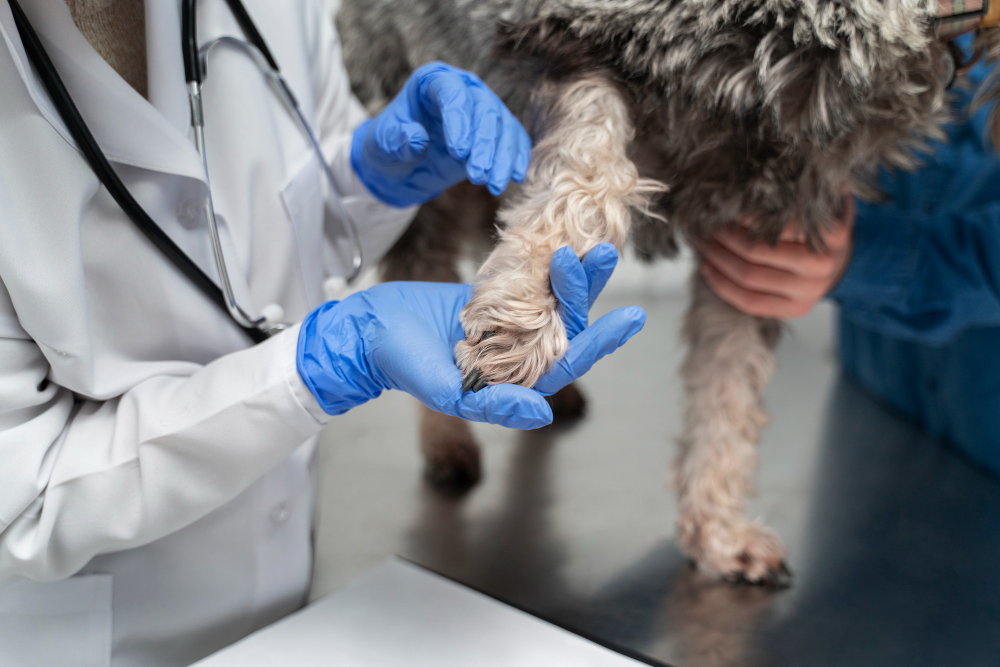
How Do Canine and Feline Osteoarthritis Develop?
Inside a pet’s joints, cartilage acts as a natural cushion that absorbs impact during movement. Over time, or due to certain risk factors such as:
- Aging
- Excess body weight
- Repetitive joint use
- Previous injuries
In cats, symptoms often develop quietly and are less obvious than in dogs. This is why many pet owners do not realize their cats have joint problems until the condition has significantly progressed.

Why Do Many Pet Owners Not Realize Their Pets Have Osteoarthritis?
Osteoarthritis in pets rarely presents obvious symptoms in its early stages. As a result, many pet owners are unaware that their pets are experiencing discomfort until the condition begins to interfere with daily activities.
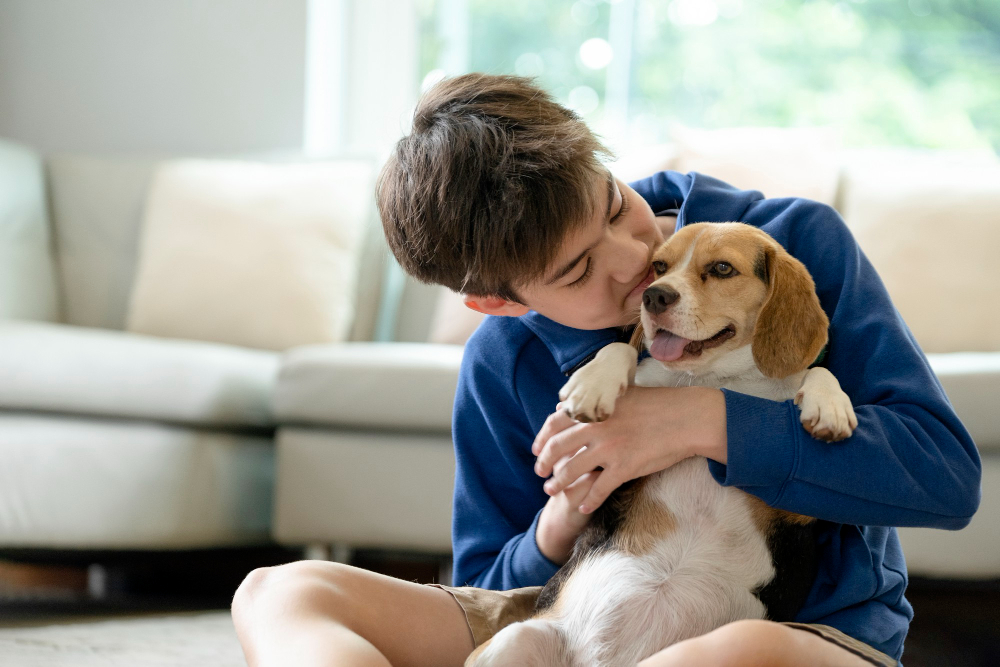
How Well Can Pets Hide Their Pain?
Dogs and cats instinctively hide weakness. In nature, showing pain can make an animal vulnerable. Even when experiencing joint pain or discomfort, many pets continue to behave as normally as possible.
This natural behavior is a key reason why osteoarthritis in pets is often diagnosed late, when joint damage has already become more severe.
Common Early Signs of Osteoarthritis in Pets
Observing subtle changes in your pet’s daily behavior is essential for identifying osteoarthritis in its early stages.
Signs of Osteoarthritis in Dogs
Pet owners should watch for:
- Slower walking or occasional limping
- Difficulty standing up, sitting down, or climbing stairs
- Reduced interest in running or playing
- Stiffness, especially after resting or waking up
- Frequent licking or chewing around the joints
These signs are commonly associated with canine osteoarthritis.
Signs of Osteoarthritis in Cats
Cats often mask pain, so feline osteoarthritis may appear through behavioral changes, such as:
- Reduced ability to jump onto high surfaces
- Difficulty using the litter box
- Sleeping more and moving less
- Poor grooming due to limited flexibility
What Happens If Osteoarthritis in Pets Is Left Untreated?
If joint degeneration continues without proper care, cartilage damage worsens, inflammation increases, and mobility becomes increasingly limited. Pets may experience chronic pain, stress, or even depression, significantly affecting their overall quality of life.
Over time, persistent pain from osteoarthritis can also impact the immune system, appetite, and general health. Activities that once felt natural and enjoyable may become difficult or impossible.
For this reason, osteoarthritis in pets is not simply a joint condition—it is a long-term health issue that directly affects happiness and well-being. Early awareness and proactive care are essential.
Current Approaches to Managing Osteoarthritis in Pets
Managing osteoarthritis in pets is not a one-time treatment but a long-term care plan focused on reducing pain, slowing joint degeneration, and maintaining quality of life.
Today, management strategies are generally divided into two main approaches:
1. Supportive and Symptom-Managing Care
- Weight management
Maintaining a healthy body weight significantly reduces stress on the joints and is one of the most effective ways to slow osteoarthritis progression. - Environmental adjustments
Creating a pet-friendly environment—such as non-slip flooring and minimizing stair use—helps reduce joint strain and prevent further injury. - Pain management
Veterinarians may prescribe medications to reduce pain and inflammation, allowing pets to move more comfortably for a period of time. - Nutrition and supplements
Certain supplements support joint and cartilage health and help reduce inflammation, though results vary and require consistent use. - Physical therapy and controlled exercise
Proper exercise and rehabilitation strengthen surrounding muscles, reduce stiffness, and improve joint function without overloading the joints.
2. Regenerative Care for Long-Term Joint Support
In recent years, osteoarthritis management has evolved beyond symptom relief toward regenerative approaches that focus on restoring joint health.
One option gaining increasing attention is the use of pet stem cells as a supportive therapy for osteoarthritis in dogs and cats.
Regenerative approaches aim to:
- Reduce chronic joint inflammation
- Support the body’s natural repair mechanisms
- Improve mobility and long-term joint function
From Treating Illness to Planning Joint Health for the Future
Many pet parents are shifting from a “treat when sick” mindset to proactive joint health planning while their pets are still healthy.
This includes the concept of pet stem cell banking, where stem cell therapy for pets can be prepared in advance as a future option for managing osteoarthritis and other age-related conditions. Preparing stem cells for treating pet diseases today may increase the effectiveness of care in the future.
Conclusion
Osteoarthritis in pets develops gradually and often begins with subtle signs that are easy to miss. In both canine osteoarthritis and feline osteoarthritis, early awareness allows pet owners to plan appropriate joint care more effectively.
Today, osteoarthritis management extends beyond pain relief to regenerative concepts such as pet stem cells. The use of dog and cat stem cells and stem cell therapy for pets offers an additional option for supporting joint health and long-term quality of life.
PetGeneX is committed to providing professional pet stem cell banking and cultivation services with genuine care. Because for us, seeing pets move confidently, live comfortably, and enjoy a happy life is our greatest happiness.